Digital Worlds and Wellbeing of Unaccompanied Refugee Youth
Welcome to the Digital Worlds and Wellbeing of Unaccompanied Refugee Youth research project — a collaborative research partnership between the University of Brighton, University of Sussex, University of Ghent, and the Hummingbird Refugee Project.
This project explores how young people with an unaccompanied refugee background use digital technologies as part of their everyday lives, relationships and support networks, and how this influences their wellbeing.
Digital technology plays an important role in many young people’s lives. For young people who have experienced forced displacement, it can be a vital way to stay connected with family and friends, build new relationships, access information, and feel a sense of belonging in a new community. At the same time, there can also be challenges, including isolation, online safety concerns, or the impact of spending significant amounts of time online.
Through this research, we aim to better understand both the opportunities and challenges that digital technology presents for young people with an unaccompanied refugee background. We recognise that while some experiences may be shared by young people more broadly, young people who have arrived in a new country without family or existing support networks may experience digital spaces in unique ways.
A central part of this project is working alongside young people and organisations that support them. At Hummingbird Refugee Project, we believe that young people’s lived experiences and expertise should be at the heart of research that affects their lives. Together, we are co-creating research outputs, resources and recommendations that can help improve support for young people, practitioners, caregivers, and local authorities.
We hope this research will contribute to creating safer, more supportive digital environments and strengthen understanding of how technology can support young people’s connection, wellbeing and sense of belonging.
If you would like to find out more about the research or get involved, please visit our Get Involved page.
Meet The Team
We are a team of researchers from universities and NGOs in the UK.
Some of us are young people with a refugee background. Please feel free to contact us if you’d like to know more about our research project.

Amina Hassani
Co-Researcher
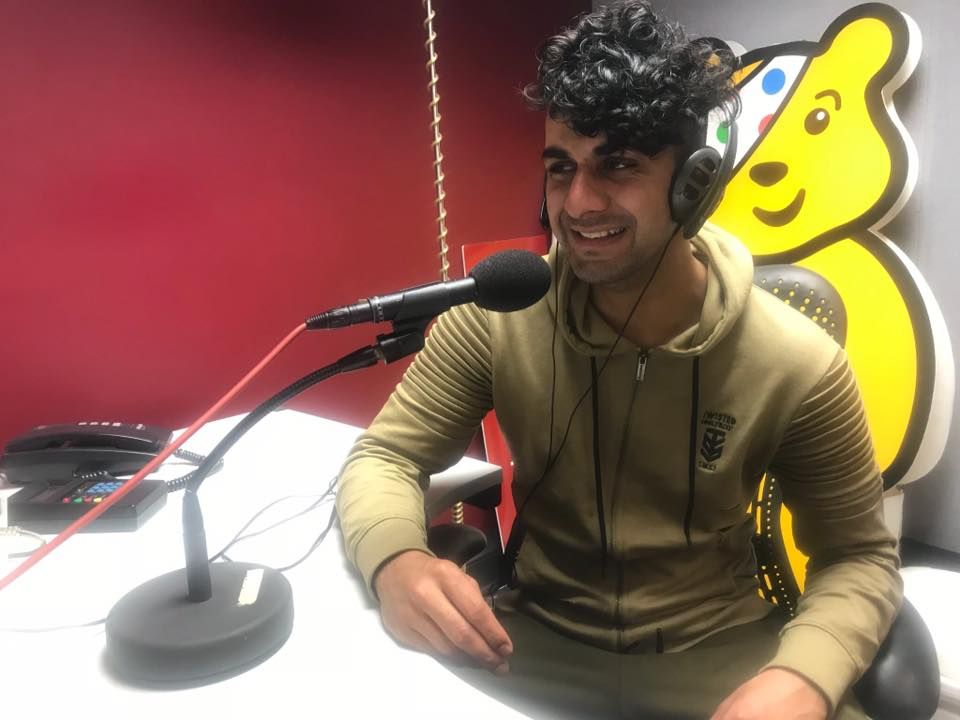
Naqeeb Saide
Co-Researcher

Ameen Qotran
Co-Researcher


